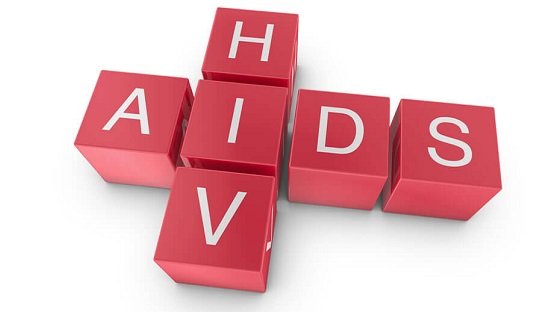
The Eastern Region has recorded 42,704 people living with HIV, making it Ghana’s third-highest region by the number of people affected, according to the 2025 National HIV Estimates and Projections.
The figures, released by the Ghana AIDS Commission, put the national number of people living with the virus at 337,435 as of 2025. Greater Accra recorded the highest regional figure, followed by the Ashanti Region.
Women account for a larger share of Ghana’s HIV population, representing 65.7 per cent, or 221,707 people. Men account for the remaining 34.3 per cent, equivalent to 115,728 people.
The national estimates further indicate that 315,513 people living with HIV are aged 15 and above, while 21,922 are children below the age of 15.
The data highlights the continued importance of strengthening HIV prevention, testing, treatment and care services, particularly in regions with substantial numbers of people living with the virus.
Ghana recorded an estimated 13,951 new HIV infections in 2025, down from 16,189 in 2024. AIDS-related deaths also declined from 13,429 to 12,051 over the same period, according to figures presented by the Ghana AIDS Commission.
Despite the reduction in new infections and AIDS-related deaths, health authorities continue to emphasise the need for sustained efforts to prevent transmission and ensure that people living with HIV can access treatment and support.
The Ghana AIDS Commission coordinates the country’s national response to HIV and AIDS, working with health institutions, development partners and communities to expand prevention and treatment services.