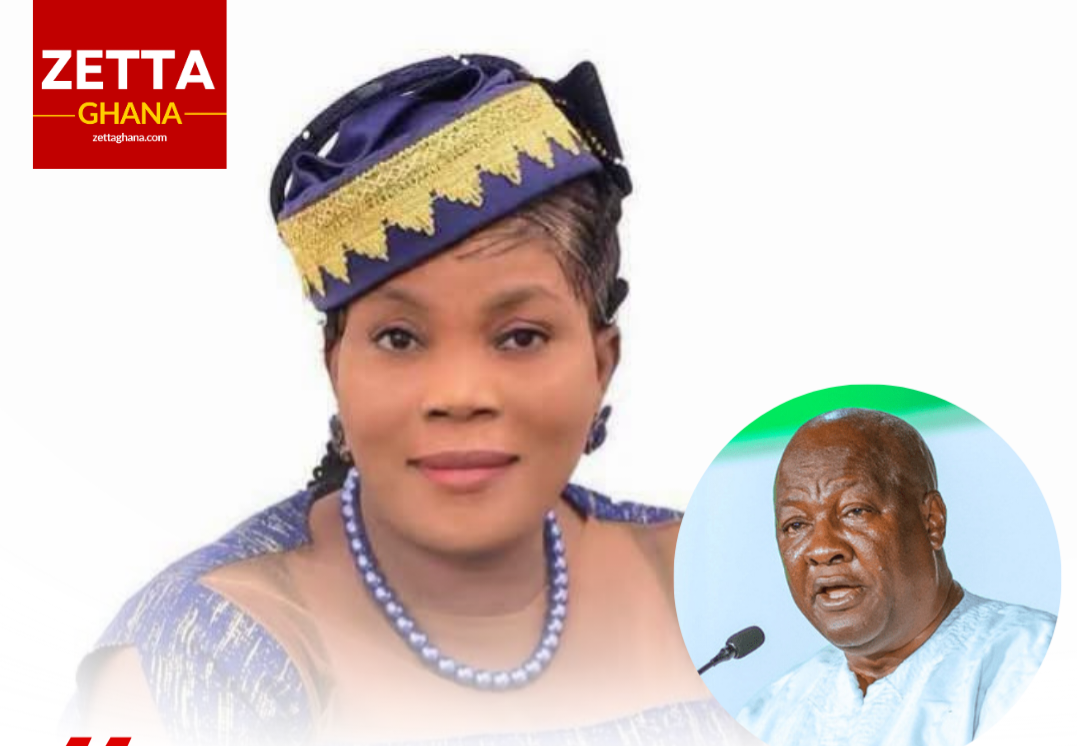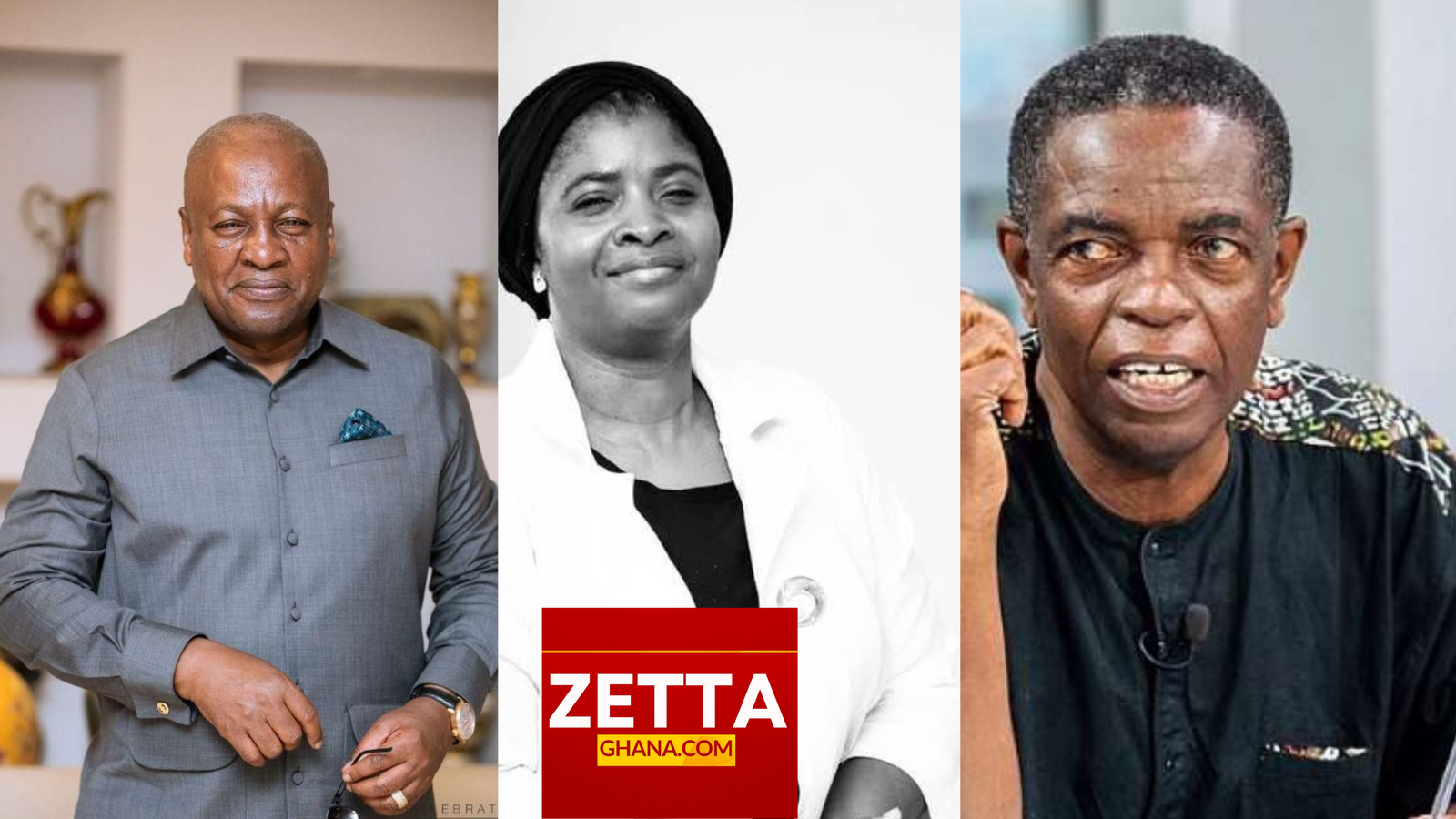
Veteran journalist and political commentator Kwasi Pratt Jnr. has expressed shock over President John Dramani Mahama’s appointment of Affi Agbenyo as Deputy Chairperson of the Electoral Commission (EC), questioning why someone who chaired an NDC manifesto committee was selected for the position.
According to Kwasi Pratt, Ghana, with a population of over 35 million people, has many qualified individuals who could have been considered for such an important position, making the appointment particularly surprising to him.
“Among the over 35 million people we have in Ghana, President Mahama didn’t get any other person, apart from someone who chaired an NDC manifesto committee, to be appointed as a Deputy Chair of the EC. This is very shocking,” he stated.
Kwasi Pratt Defends His Right to Criticise the Appointment
Kwasi Pratt also defended his right to criticise the appointment, pointing to his previous opposition to the appointment of Appiahene as Deputy EC Chairperson under former President Nana Addo Dankwa Akufo-Addo.
He explained that he spoke against Appiahene’s appointment when Akufo-Addo was president and believes that position gives him the consistency and moral authority to express similar concerns about the current appointment.
His argument suggests that his criticism is not necessarily driven by which political party is in power, but by his concerns about appointments to an institution as important as the Electoral Commission.
The Electoral Commission plays a crucial role in Ghana’s democratic process, including the organisation and supervision of elections. Consequently, appointments to its leadership often attract public scrutiny, particularly regarding the independence, credibility and perceived political neutrality of the institution.
Kwasi Pratt’s comments add to the public debate surrounding President Mahama’s decision to appoint Affi Agbenyo as Deputy EC Chairperson, with questions being raised about the selection process and the importance of public confidence in the electoral body.
As discussions continue, the appointment is likely to remain a subject of political debate, especially among those concerned about maintaining the independence and credibility of Ghana’s Electoral Commission.