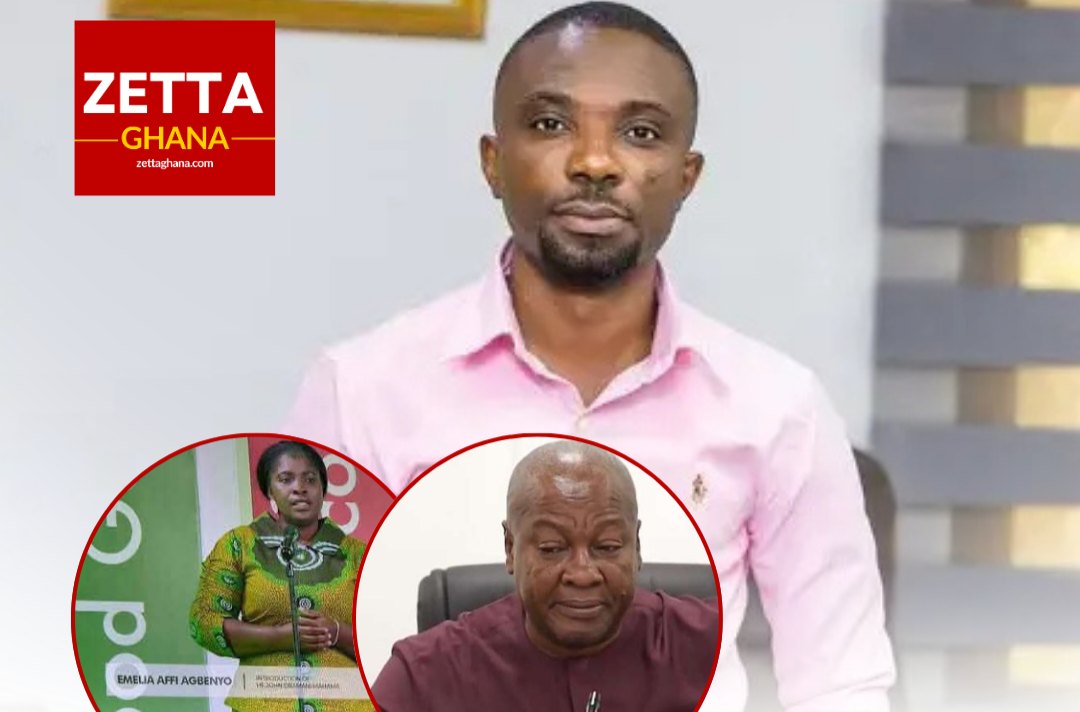
The appointment of Emelia Affi Agbenyo, a reported spokesperson for the National Democratic Congress (NDC) during the 2024 general election campaign, as Deputy Chairperson of Ghana’s Electoral Commission (EC) has triggered criticism from prominent figures associated with the New Patriotic Party (NPP).
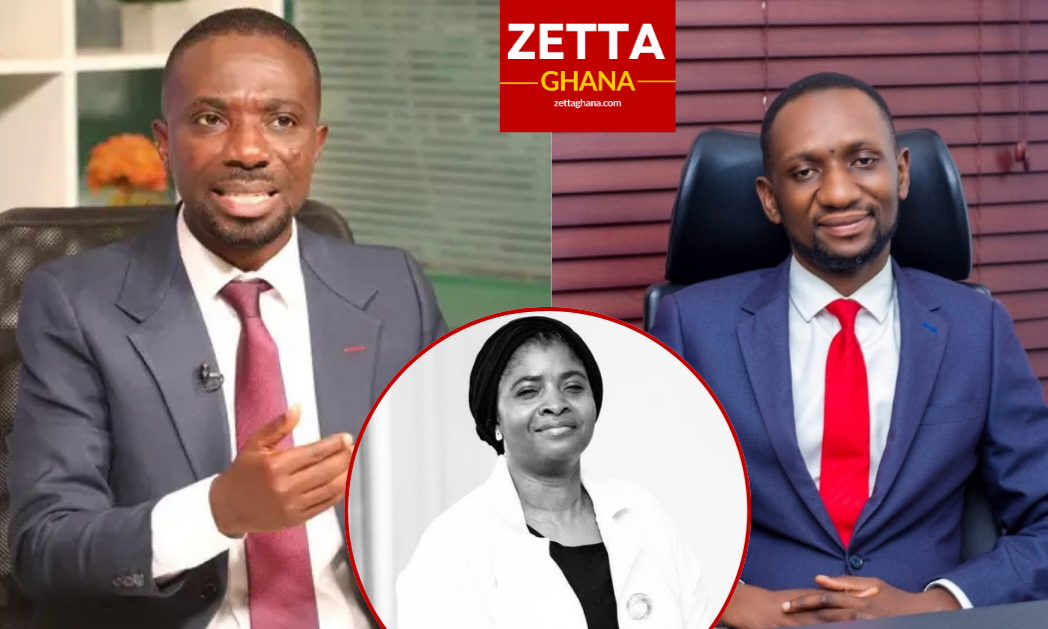
Krobea Asante Kwabena, Kofi Ofosu Nkansah and Dennis Miracles Aboagye have expressed concerns about the appointment, with their reactions focusing on the perceived implications for the independence and public credibility of the country's electoral management body.
Kofi Ofosu Nkansah Reacts to Appointment
Kofi Ofosu Nkansah, an NPP figure, reacted to the development by highlighting Agbenyo's reported involvement in the NDC's 2024 election campaign.
His comments have brought renewed attention to the relationship between political party affiliations and appointments to institutions responsible for managing Ghana's elections.
The controversy centres on whether a person who has recently held a visible political campaign role should be appointed to a senior position within an institution expected to operate independently of political influence.
Dennis Miracles Aboagye Questions Implications for Democracy
Dennis Miracles Aboagye also criticised the appointment, describing it as unprecedented in Ghana's democratic history for an openly partisan political operative to be appointed Deputy Chairperson of the Electoral Commission.
In his Facebook post, Aboagye argued that the decision could undermine confidence in the country's democratic institutions and potentially establish a precedent for future appointments.
He further suggested that the appointment could open the door for other politically affiliated individuals to occupy similar positions, mentioning NPP figure Chairman Bamba as an example.
His comments reflect concerns among some opposition figures about maintaining a clear distinction between party political activities and leadership positions within the electoral management system.
However, his characterisation of the appointment as unprecedented and his claims about its implications represent his political assessment and have not been independently established.
Krobea Asante Kwabena Offers Congratulations
In a different reaction, Krobea Asante Kwabena addressed Agbenyo as "Auntie Emelia" and congratulated her on her appointment.
His message read: "Congratulations, Auntie Emelia, on your appointment as Deputy Chairperson of the Electoral Commission by President John Dramani Mahama."
The message adds another dimension to the public discussion surrounding the appointment, which has attracted attention from individuals associated with the governing NDC and opposition NPP.
What Does Ghana's Constitution Say About EC Appointments?
The controversy raises questions about the constitutional framework governing appointments to Ghana's Electoral Commission.
Article 43 of the 1992 Constitution provides for an Electoral Commission comprising a Chairperson, two Deputy Chairpersons and four other members.
Article 44 states that a person must be qualified to be elected as a Member of Parliament to qualify for appointment as a member of the Commission.
Under Article 70(2), the President appoints the Chairperson, Deputy Chairpersons and other members of the Electoral Commission acting on the advice of the Council of State.
Article 46 further provides that, in performing its functions, the Electoral Commission shall not be subject to the direction or control of any person or authority, except as provided by the Constitution or other applicable law.
These provisions establish the constitutional appointment framework and the Commission's independence. They do not, in the cited provisions, expressly state that previous membership of a political party or participation in a political campaign automatically disqualifies a person from appointment.
Nevertheless, questions about political affiliations, impartiality and public confidence remain important considerations in discussions about the leadership of an institution responsible for conducting elections.
The relevant constitutional provisions can be consulted through the official Electoral Commission website and the Judicial Service of Ghana.
Debate Over Impartiality and Public Confidence
The reactions to Agbenyo's appointment highlight a broader debate about how Ghana can preserve public confidence in its electoral institutions.
For critics, a reported history of active political campaigning raises questions about whether appointees can command the confidence of competing political parties and the wider electorate.
At the same time, questions about an individual's eligibility and the legality of an appointment must be assessed against the applicable constitutional and legal requirements rather than political commentary alone.
The controversy is therefore likely to keep attention focused on the appointment process, the qualifications of the appointee and the measures necessary to protect the Electoral Commission's independence.
As the discussion develops, the central issue remains whether the appointment process and the conduct of the Commission's leadership will command confidence across Ghana's political divide.