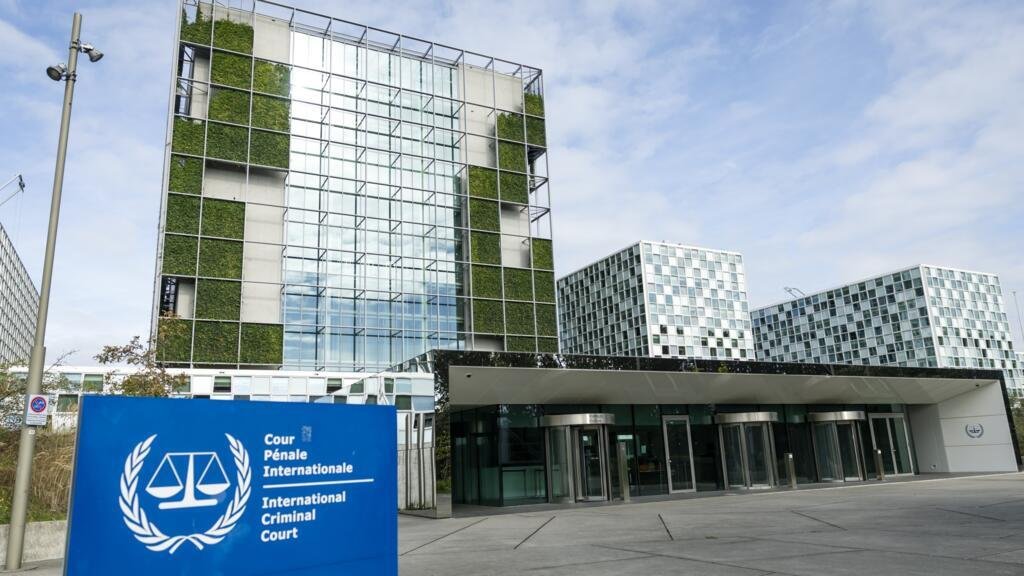
The United States has imposed sweeping sanctions on the International Criminal Court (ICC), escalating its long-running dispute with the tribunal just hours after former ICC judge Navi Pillay was awarded the 2026 Nobel Peace Prize.
Announced on Friday, October 9, the measures target the Hague-based court and could affect companies providing it with financial, technological and other services. Washington has introduced an initial six-month grace period and exemptions for certain transactions, including telecommunications, software and payments relating to pensions and detainees.
US Secretary of State Marco Rubio defended the decision, arguing that the court should not be allowed to prosecute American citizens.
“President Trump will never allow the International Criminal Court to prosecute Americans,” Rubio said, adding that the sanctions were intended to cut off the court’s resources and restrict its operations.
The ICC condemned the move as an attack on the rule of law and urged its 125 member states to take action to protect the institution. Deputy Prosecutor Nazhat Shameem Khan said the sanctions would not stop the court’s investigations and prosecutions.
The Trump administration has repeatedly criticised the ICC over its investigations into alleged crimes involving US personnel in Afghanistan and arrest warrants issued for Israeli officials, including Prime Minister Benjamin Netanyahu.
The United States is not a party to the Rome Statute, the treaty that established the court in 2002.
The sanctions came on the same day the Nobel Committee announced Pillay as the 2026 Peace Prize laureate. The South African jurist previously served as an ICC judge and as United Nations High Commissioner for Human Rights.
The Nobel Committee said the award highlighted the importance of international law at a time when judicial institutions face political pressure.
The US decision has drawn criticism from European officials and other international partners, raising concerns about the impact on the court’s ability to pursue accountability for war crimes, crimes against humanity and genocide.