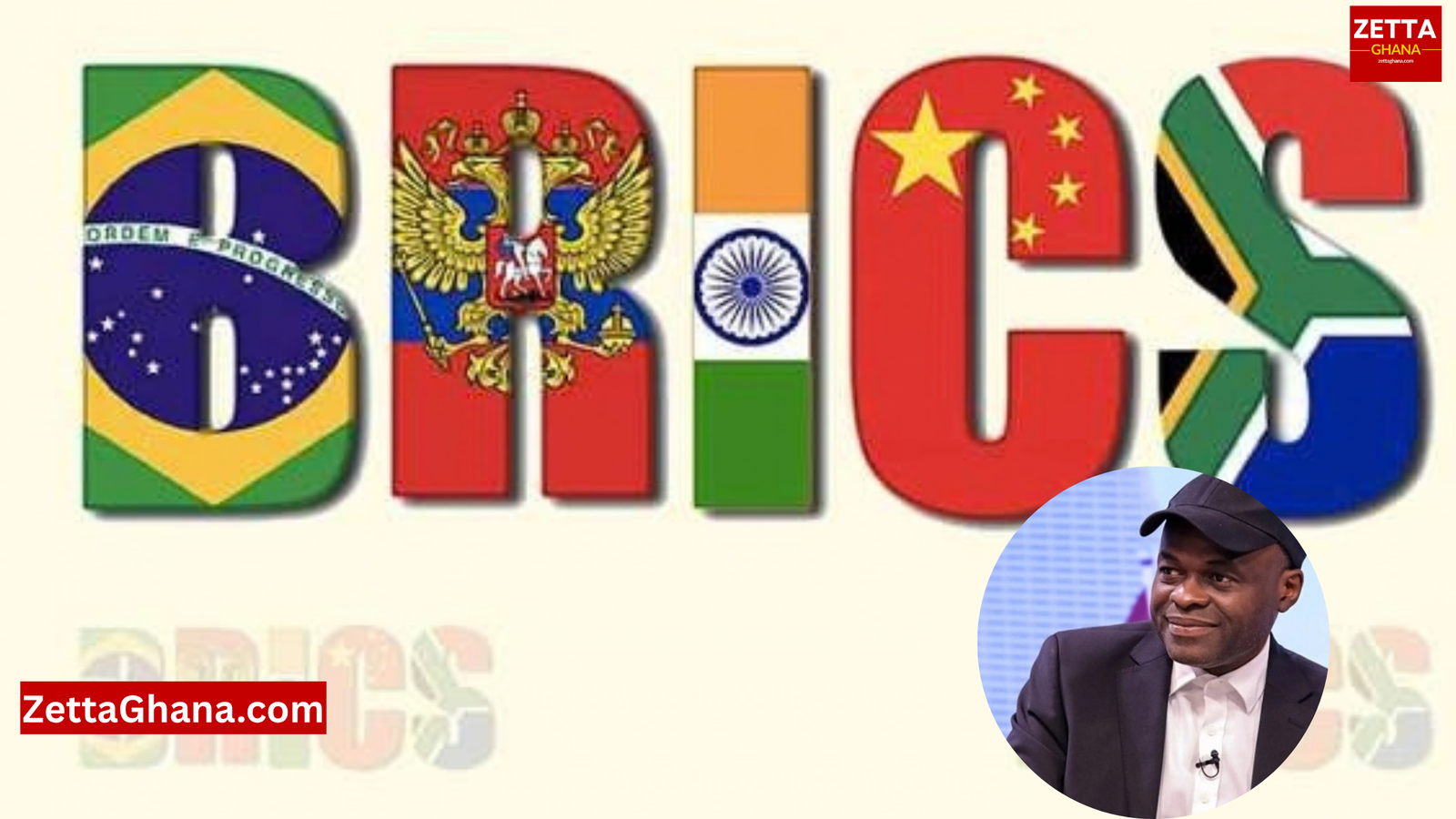
Legal practitioner and analyst Martin Kpebu has backed Ghana’s plans to pursue a partnership with BRICS, arguing that the country should prioritise economic benefits when choosing its international allies.
Speaking on TV3’s The Key Points, Mr Kpebu said Ghana should remain open to cooperation with different economic blocs instead of limiting its options to traditional Western partners.
“I support Ghana becoming a partner, as long as it brings us economic development. We don't have much, so if there is something to be gained from it, why not?” he said.
His comments follow an announcement by Foreign Affairs Minister Samuel Okudzeto Ablakwa that the government had decided to formally apply for Ghana to become a BRICS partner.
The government says the move is intended to diversify the country’s international relationships, create more economic opportunities and strengthen cooperation with countries in the Global South.
Mr Kpebu dismissed concerns that engaging with BRICS would necessarily damage Ghana’s longstanding relationship with the United States, noting that the two countries had maintained diplomatic and economic ties for decades.
“The U.S. is not going to run out of Ghana overnight because we join BRICS,” he said.
He argued that Ghana should approach international relations based on its own interests, just as major global powers do, rather than assume that cooperation with one bloc would prevent it from working with another.
“What do we gain by continuing to say, ‘Oh, we are with the U.S., we are with the UK, so we can’t join BRICS?’” he asked.
According to Mr Kpebu, exploring other partnerships could also encourage Ghana’s existing allies to place greater value on their relationship with the country.
He clarified that he supported Ghana pursuing partner status with BRICS rather than necessarily seeking full membership immediately.
“As long as we’re going to get benefits, let’s go for it,” he said.
BRICS was originally formed by Brazil, Russia, India, China and South Africa and has since expanded to include additional members. The grouping seeks to deepen economic cooperation and increase the influence of emerging economies in global affairs.